
AI · 12 min read · Sep 29, 2026

TDisrupt category
Analysis of artificial intelligence across models, agents, infrastructure, enterprise adoption, and business impact. We look beyond product announcements to understand how AI is actually changing technology and organizations.

Featured · 11 min read
Google’s Gemini 4 Argon is built to stay on difficult tasks, use tools, work across enterprise workflows and autonomously modify real systems. The bigger story is not another benchmark fight with OpenAI and Anthropic. It is that all three companies are now competing to build AI that can perform sustained work rather than simply answer questions.
AI · 12 min read · Sep 29, 2026

AI · 7 min read · Sep 26, 2026

AI · 7 min read · Sep 26, 2026
Across TDisrupt
 01
01AI · 12 min read
OpenAI Dots moves ChatGPT beyond answering prompts and completing isolated tasks. Powered by GPT-6 Astra, Dots can maintain context, use their own cloud computer, connect to thousands of applications, work in the background and take ongoing responsibility for projects. The launch also puts OpenAI into direct competition with Meta Muse as personal AI agents emerge as a new layer between users and the software they use.
By TD Editorial
 02
02AI · 7 min read
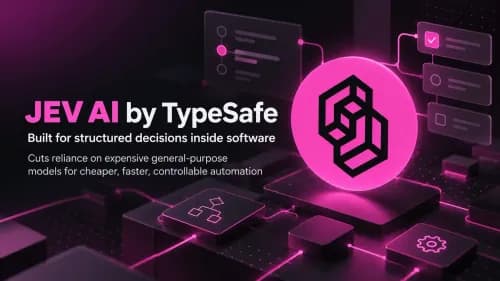
TypeSafe AI’s Jev is designed to make structured decisions inside software rather than generate text. Its real enterprise opportunity may be reducing how often AI agents need expensive general-purpose models, making high-volume automation cheaper, faster and easier to control.
By TD Editorial
 03
03AI · 7 min read
Meta’s Muse is built around a larger idea than conversational AI: giving an agent memory, tools, a persistent computer, and permission to act. OpenMuse is already translating parts of that model into open-source software, while OpenClaw shows that the architecture Meta is commercializing has deeper roots outside the company.
By TD Editorial